Fundación Alimentaris is driving a new way to amplify the impact of its resources through strategic philanthropy. It served as a catalytic donor for revolving funds that have already granted more than 150 loans to projects with social, environmental, and economic impact.
Investing for impact without depleting resources. With this premise, Fundación Alimentaris became a pioneer in Argentina in applying a regenerative logic to philanthropic investment. In 2020, together with Asociación Civil Sumatoria, it co-created a revolving loan fund to generate financial inclusion exclusively for triple-impact actors. Five years after that initial commitment, the results are compelling: more than 150 projects financed, 59 organizations with active loans, and over 1.3 billion pesos managed in a cycle that reactivates itself with every repayment.
This model combines and transforms traditional grants and sustainable financing mechanisms. Instead of being exhausted in a single action, funds are recycled: they provide loans to cooperatives, SMEs, social organizations, or impact-driven ventures, which repay them through a tailored scheme. The capital and interest generated by these loans return to the fund and are reinvested in new projects and the long-term sustainability of the tool.
With Asociación Civil Sumatoria acting as the asset manager, the model was created in 2020 to support social projects amid the Covid-19 pandemic and continues to deliver positive results. “At Alimentaris, we acted as the catalytic donor for these revolving funds which, although philanthropic in purpose, allow us to think long-term and generate more financing for projects focused on social transformation that can provide qualitative or quantitative evidence of their impact,” explained Karina Bentivoglio, founder and president of the Foundation.
The unique qualities of this financing model go even further. On one hand, it accommodates different types of contributions—from companies or organizations interested in investing in philanthropic funds to donations from individuals who see the demonstrated impact in vulnerable communities or the environment as a form of “return.”
“Strategic philanthropy is oriented toward the long term, with a participatory approach between the donor and the implementing partner. It is rooted in building trust to enable collaborative processes that optimize results,” said Victoria Prodanov Ithuralde, executive director of the Foundation.
Another fundamental aspect of the model is the “disruptive” nature of those providing the financing, according to Eugenia Concina Haín, Director of Prosperity Programs at Alimentaris. “Unlike traditional financing models, we provide continuous support because we understand that flexibility and shared responsibility are key,” she noted. In practice, loan providers—who have extensive experience in socially impactful projects—work closely with recipients to define timelines, strategies, and objectives.
Financing for Real Transformation
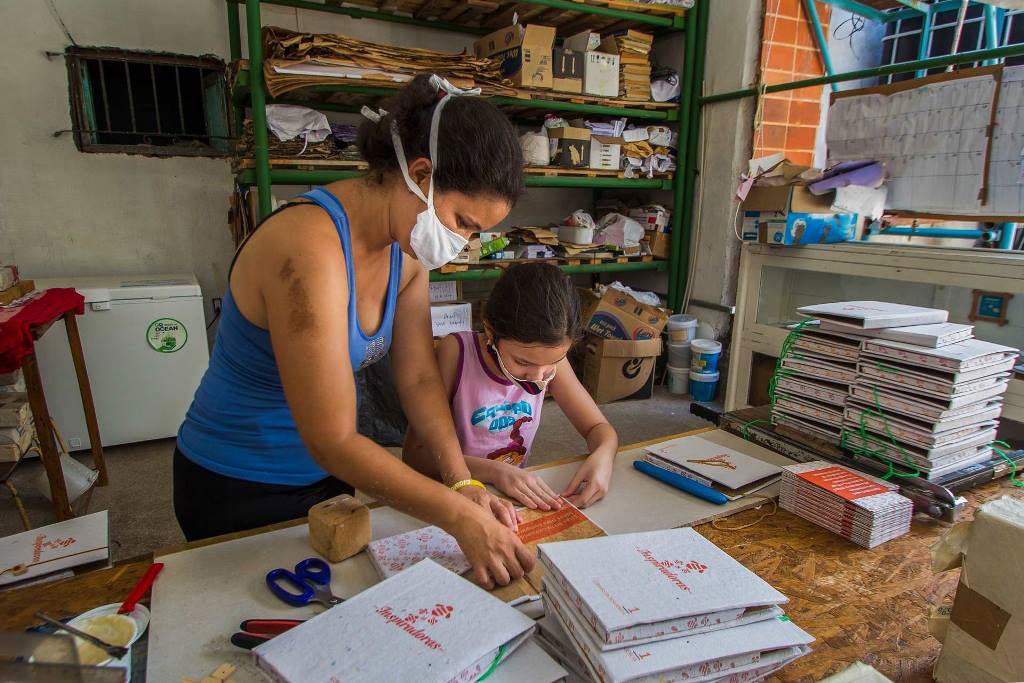
Throughout the development of this model—combining sustainable investment with philanthropic financing—several milestones stand out. In July 2020, the “Covid-19 Reactivation and Resilience Fund” was launched to provide sustainable financing to entrepreneurs, cooperatives, and associative groups, particularly those from vulnerable sectors in Argentina whose main activities were related to food and health care.
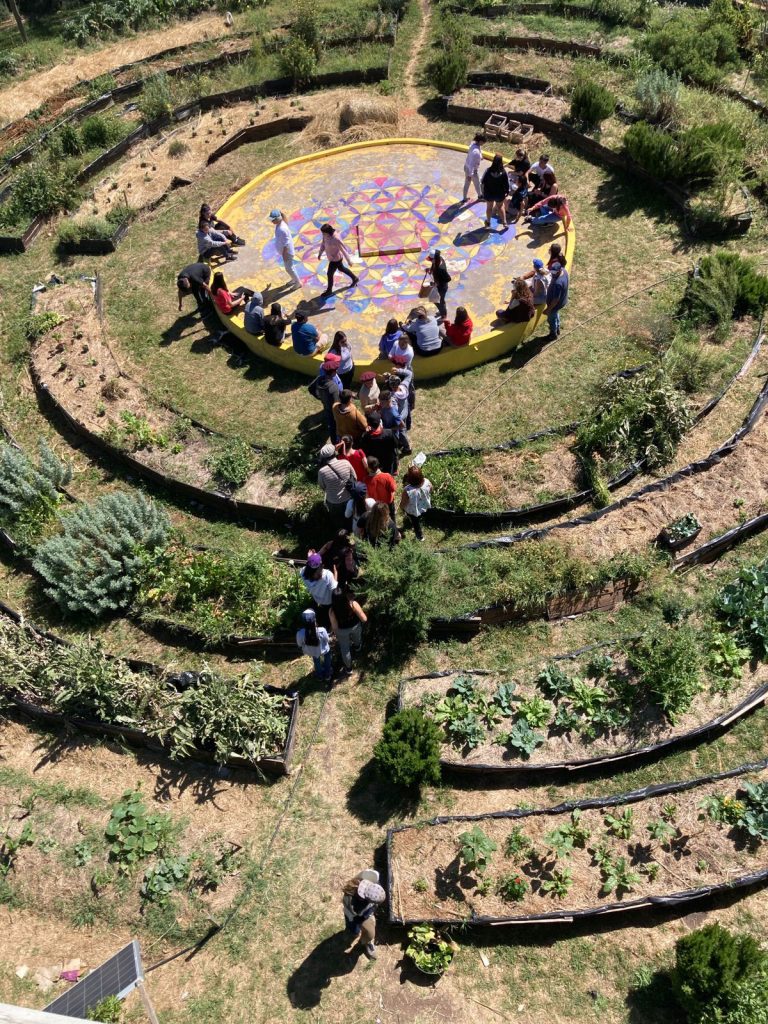
Using the same agreement structure, in February 2022 Alimentaris became the catalytic donor—providing the initial capital—for the Gran Chaco Americano Bioregional Fund. This initiative seeks to mobilize and channel resources toward that specific region to generate positive social, economic, and environmental impact and contribute to the comprehensive development of its most vulnerable populations. In October of the following year, the foundation made two additional donations to ensure the fund could continue operating amid the macroeconomic conditions of that time.
The model began in 2020 with more than 50 million pesos in capital contributed by the Foundation, and each year this amount increased nominally, reaching a historic total of over 1.3 billion pesos managed. The combined resources and expertise of Fundación Alimentaris and Asociación Civil Sumatoria made it possible to incorporate more than 20 private and social-sector actors over the years. The door remains open for additional companies and organizations to join.
“The participation of Fundación Alimentaris in the project made it possible to test a pilot model of sustainable financing through loans for triple-impact actors,” said Concina Haín. Five years later, the nonprofit organization maintains its active involvement, demonstrating its long-term commitment to initiatives that drive meaningful social transformation.