Fundación 500RPM and Fundación Alimentaris have joined forces in an integrated initiative that began in March, combining sustainable horticultural production, water access, and environmental education in Patagonia.
Why are we supporting this initiative?
The Chubut Plateau faces significant challenges: the decline of traditional livestock farming, limited access to the electricity grid for thousands of households, and increasing water scarcity driven by climate change. At the same time, restricted access to fresh fruits and vegetables makes it more difficult for local communities to enjoy healthy, sustainable, and culturally appropriate diets.
What is the goal of this partnership?
The partnership aims to strengthen local food production and improve community resilience. Building on the territorial work that Fundación 500RPM has carried out since 2016, this collaboration with Fundación Alimentaris supports six productive units—including rural families and schools—as well as technical schools through three complementary areas of work:
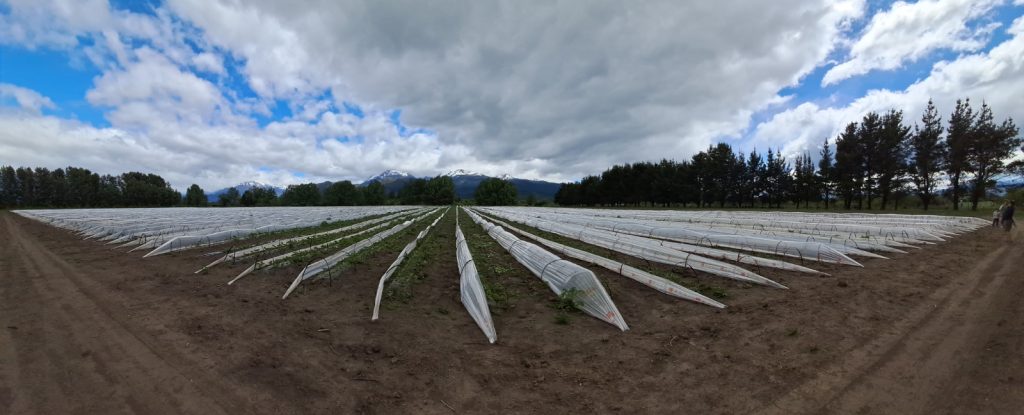
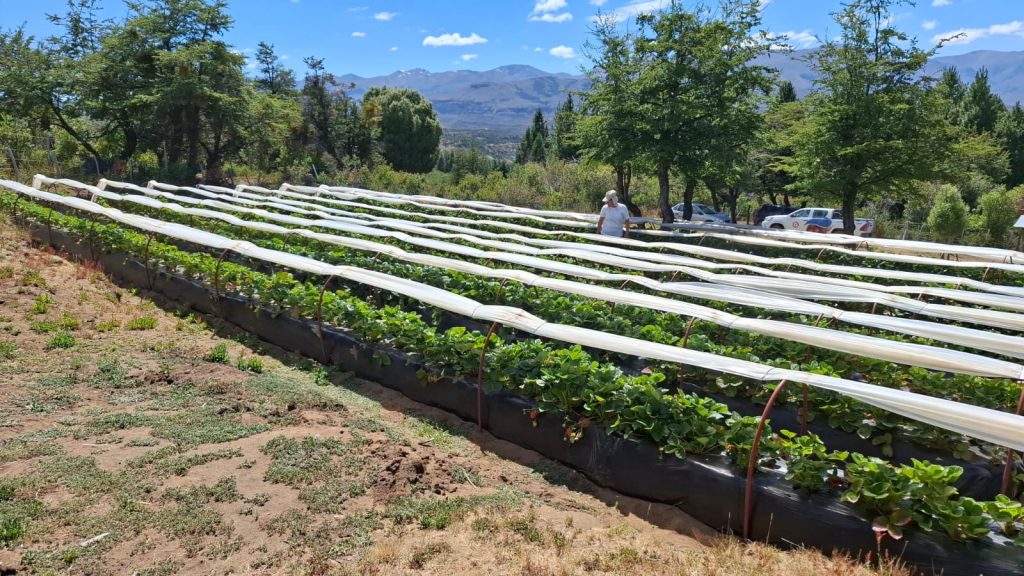
Productive transition: In collaboration with Argentina’s National Institute of Agricultural Technology (INTA), participating producers receive technical assistance and agricultural inputs to diversify horticultural production using regenerative practices.
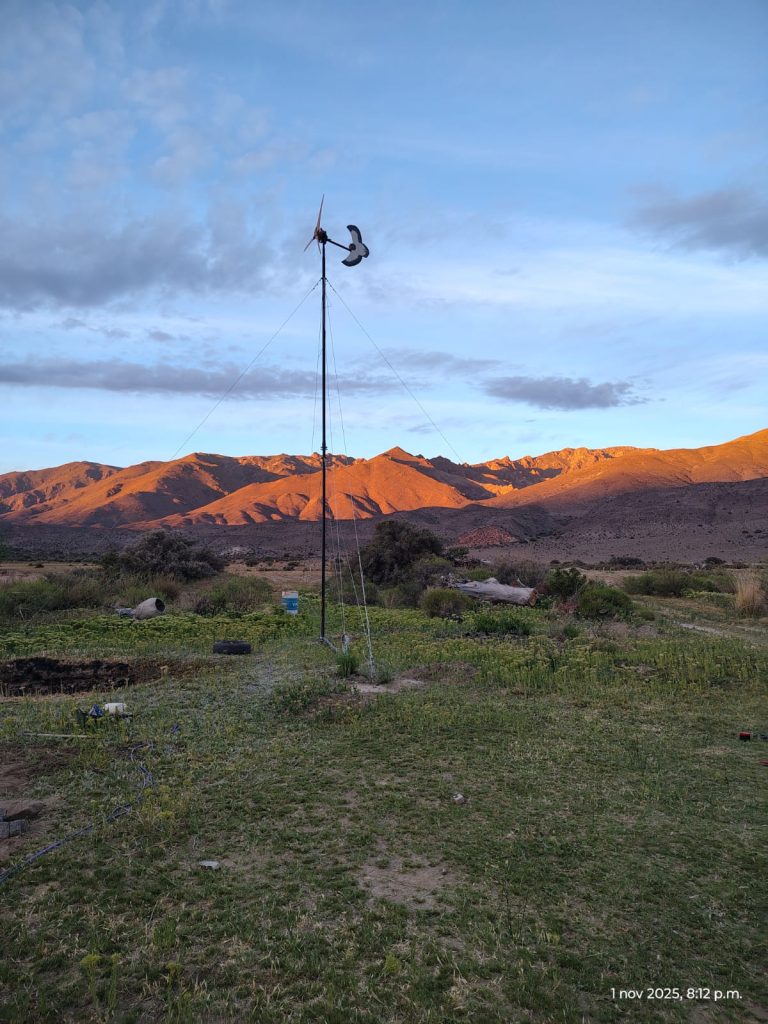
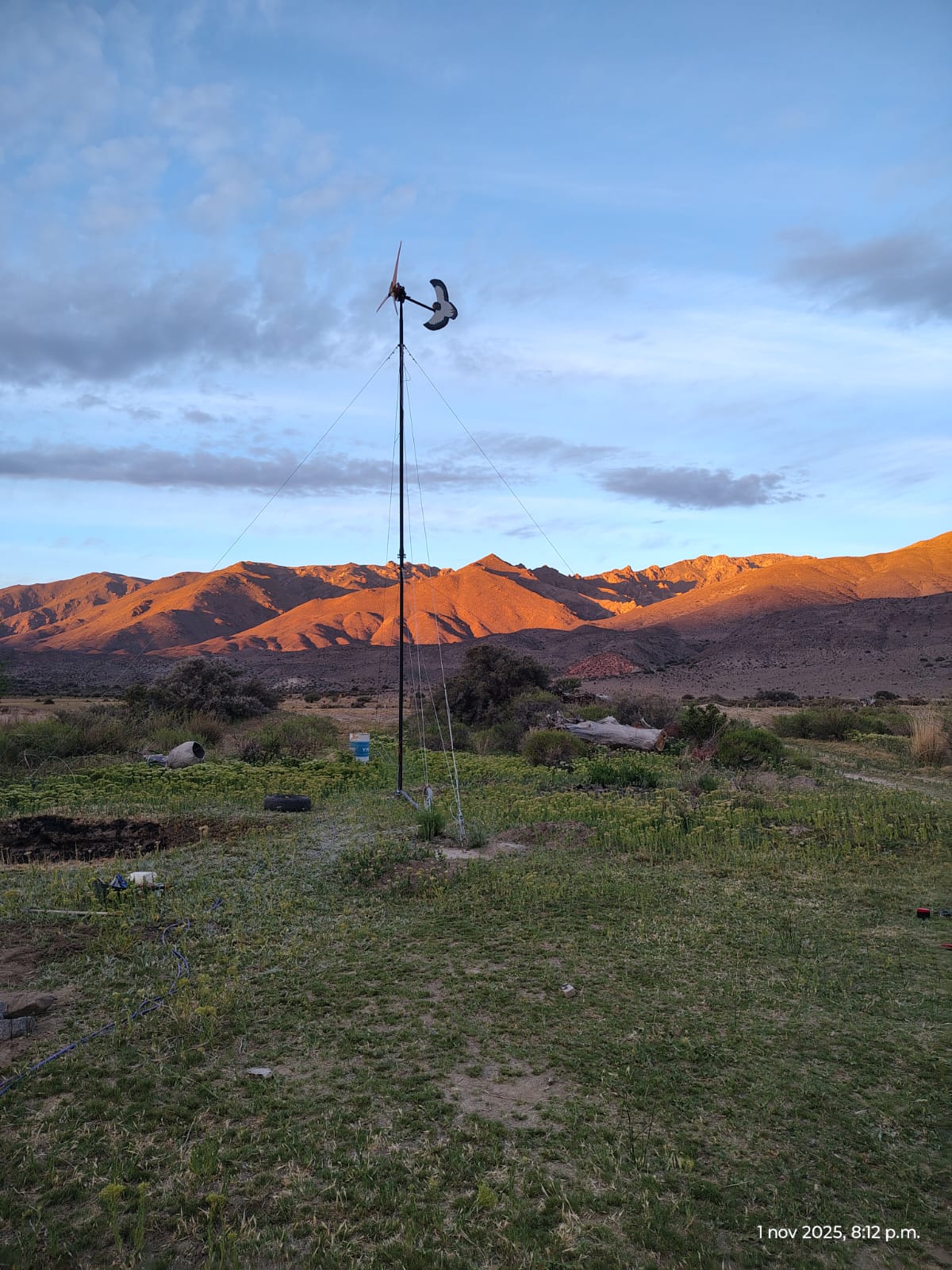
Technology and water access: The project implements low-cost wind and solar energy systems for food production and water pumping. Developed by Fundación 500RPM together with the National University of Río Cuarto, these renewable energy technologies help ensure reliable and efficient irrigation.
Energy and food education: Participating schools will host workshops on building small-scale wind turbines and receive educational kits focused on food systems, nutrition, and shared eating practices.
Three months after its launch, the project is making steady progress across the territory. It demonstrates that Patagonia’s steppe can produce food, that renewable energy can drive local development, and that addressing climate change requires collective action, innovation, and applied knowledge.